Naturally Sweet Alternatives to Table Sugar
Sugar, so many of us crave it. But even if you don’t have a sweet tooth, it can be nearly impossible to avoid sugar entirely. From our drinks to nearly all commercial foods, just about everything includes added sugar.
Sugars are carbohydrates found naturally in many foods, including fruits, vegetables, and dairy. The primary function of sugar is to provide energy, but the excess sugar can be detrimental to your health.
Though natural sweeteners are often advertised as being healthier choices than sugar or other substitutes, many of these “natural” sweeteners still undergo processing and refinement. Fortunately, a variety of natural sweeteners and sugar alternatives are available to help reduce the amount of processed sugar in your diet.
Natural sweeteners that the FDA recognizes as generally safe include:
- Fruit Juices
- Fruit Nectars
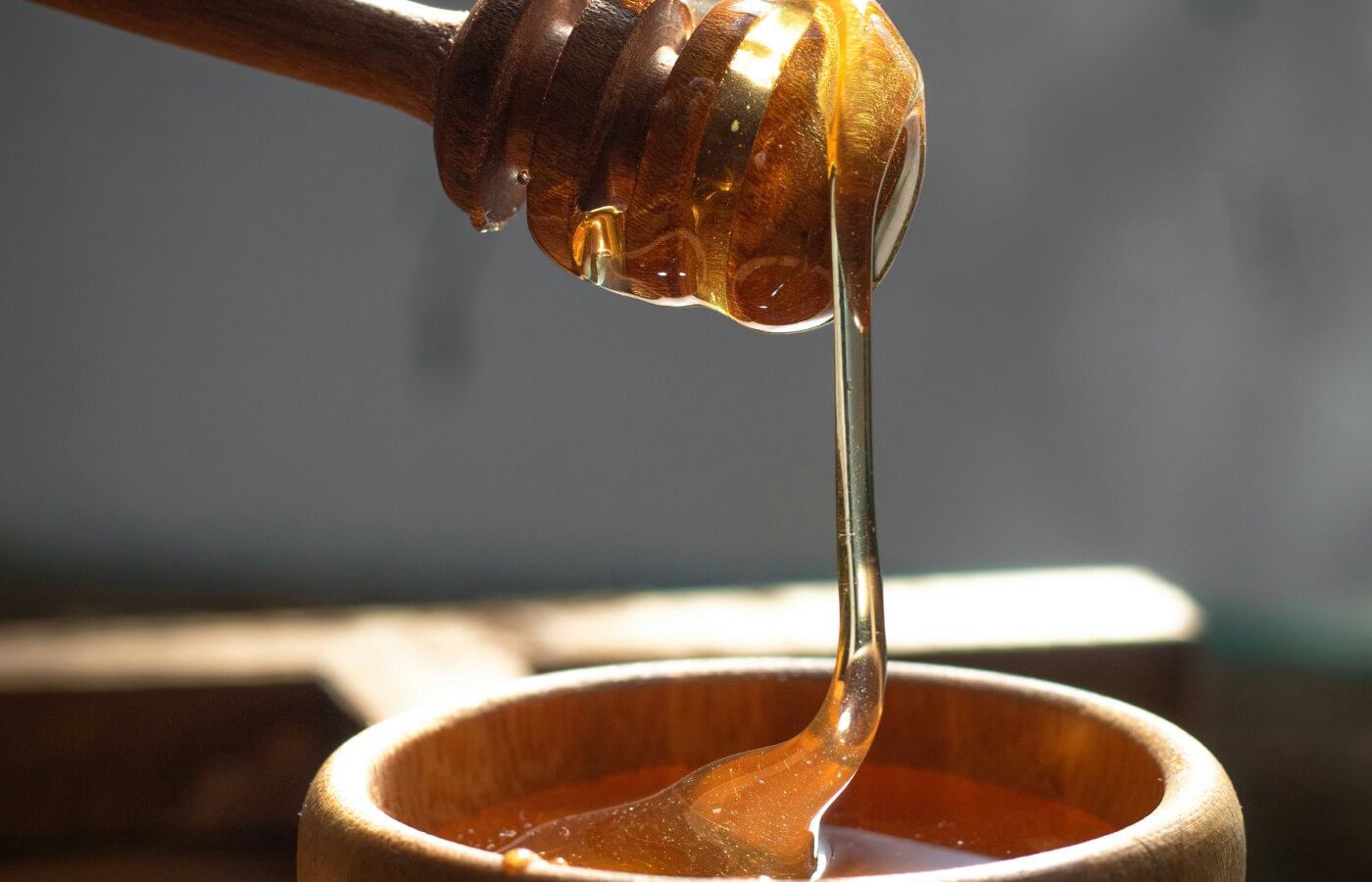
- Honey
- Maple Syrup
- Molasses
Food manufacturers typically add natural sweeteners that aren’t technically sugar—a term that solely refers to table sugar, or sucrose—but are still types of added sugar.
Natural alternatives that you may commonly find on food labels include:
- Agave Nectar or Syrup
- Coconut Sugar
- Dates or Date Paste
- Monk Fruit Extract
- Stevia Plant Extract
- Xylitol (sugar alcohol)
Consuming too much sugar has been connected with obesity, type 2 diabetes, candidiasis, cardiovascular disease, certain cancers, leaky gut syndrome, tooth decay, and non-alcoholic fatty liver disease. [1, 2]
The main sources of added sugars in the American diet are sugary drinks like soda or sports drinks, breakfast cereals sweetened with sugar, some yogurt products, sweet snacks, and desserts.
Reaching for items that have no added sugar or natural sugar alternatives is a great way to reduce your risk of developing some of these conditions.