5 Simple Tips and Tricks for Mastering the Art of Portion Control
Are you doing your best to eat balanced meals but still struggling to achieve the results you have for health?
Portion control is a crucial factor in our daily eating habits that we often overlook. And even when eating the healthiest of meals, overdoing it on portion sizes can sabotage our efforts.
Today, we’re discussing the importance of managing portion sizes so you can enjoy a more balanced and mindful eating experience.
What Is Portion Control?
Portion control is the practice of eating the proper amount of food to meet your nutritional needs and maintain a healthy weight. A portion is the amount of food you put on your plate, while a serving is an exact amount of food. By being mindful of this can help you make more informed choices about what you enjoy eating rather than depriving yourself with strict rules and restrictive diets.
Benefits of Portion Control for Weight Loss:
- Reduces Calorie Intake: When you pay attention to portion sizes, you naturally consume fewer calories, which is essential for weight loss.
- Helps Fight Cravings: Portion control helps prevent overeating, which can lead to cravings and binges.
- Promotes Mindful Eating: When you take the time to savor each bite and listen to your body’s hunger cues, you’re less likely to overeat.
Benefits of Portion Control for Health:
- Supports Digestion: Eating smaller portions allows your digestive system to work more efficiently, preventing issues like bloating and indigestion.
- Gives Energy Levels a Boost: Consuming food in smaller, more balanced portions can help prevent energy crashes and promote stable blood sugar levels, keeping you energized throughout the day.
- Reduces Food Waste: By being more conscious of portion sizes, you’re likely to reduce the amount of food you throw away, making your eating habits more eco-friendly.
Five Hacks to Make Portion Control Easier:
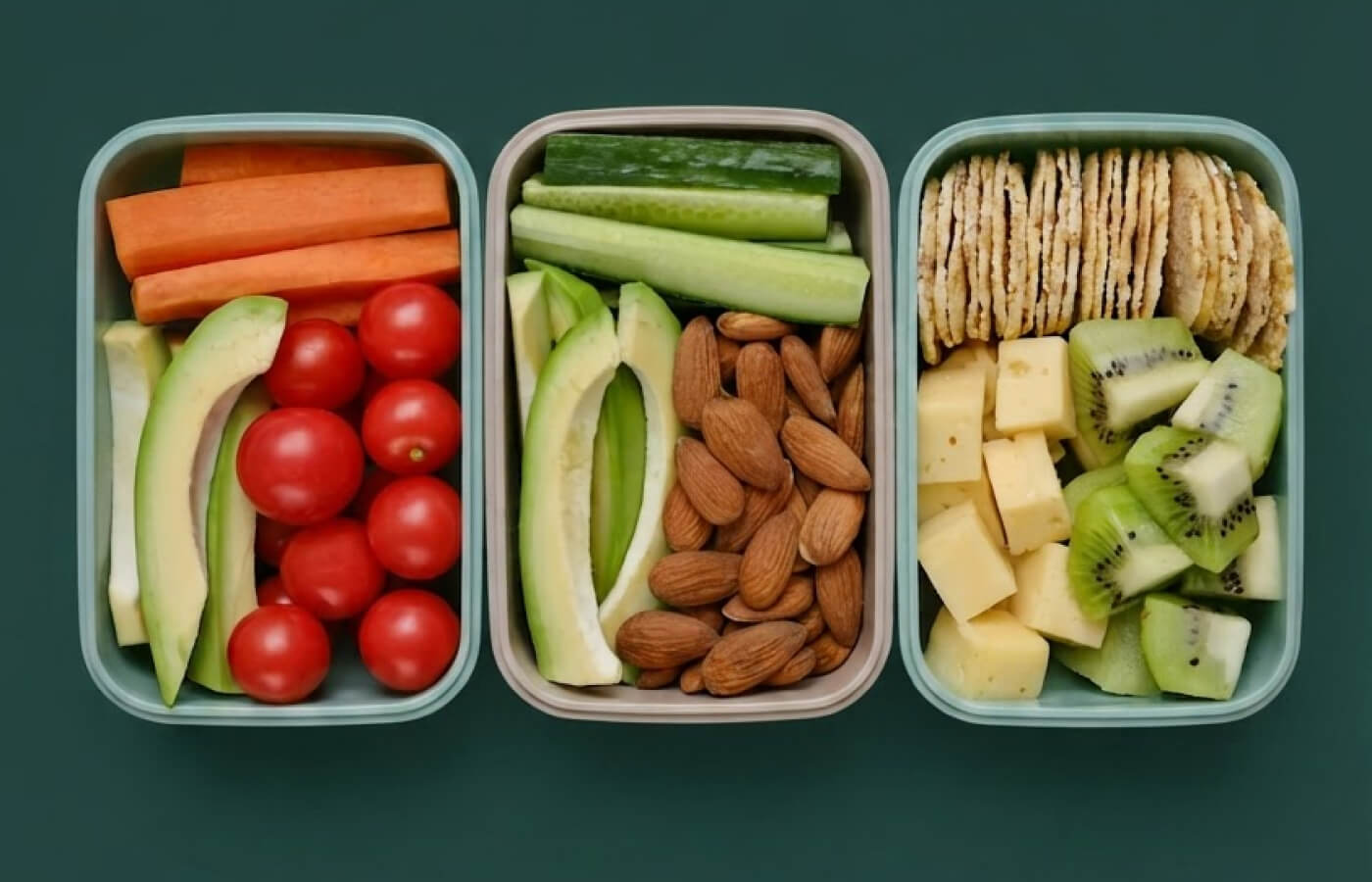
Single Out Your Snacks
Instead of eating snacks straight from the store packaging, which contain multiple servings, divide them into individually sized serving containers or bags, making it harder to overeat.
Learn to Read Food Labels
Familiarize yourself with the serving sizes on food packages and use this information to guide your portion sizes.
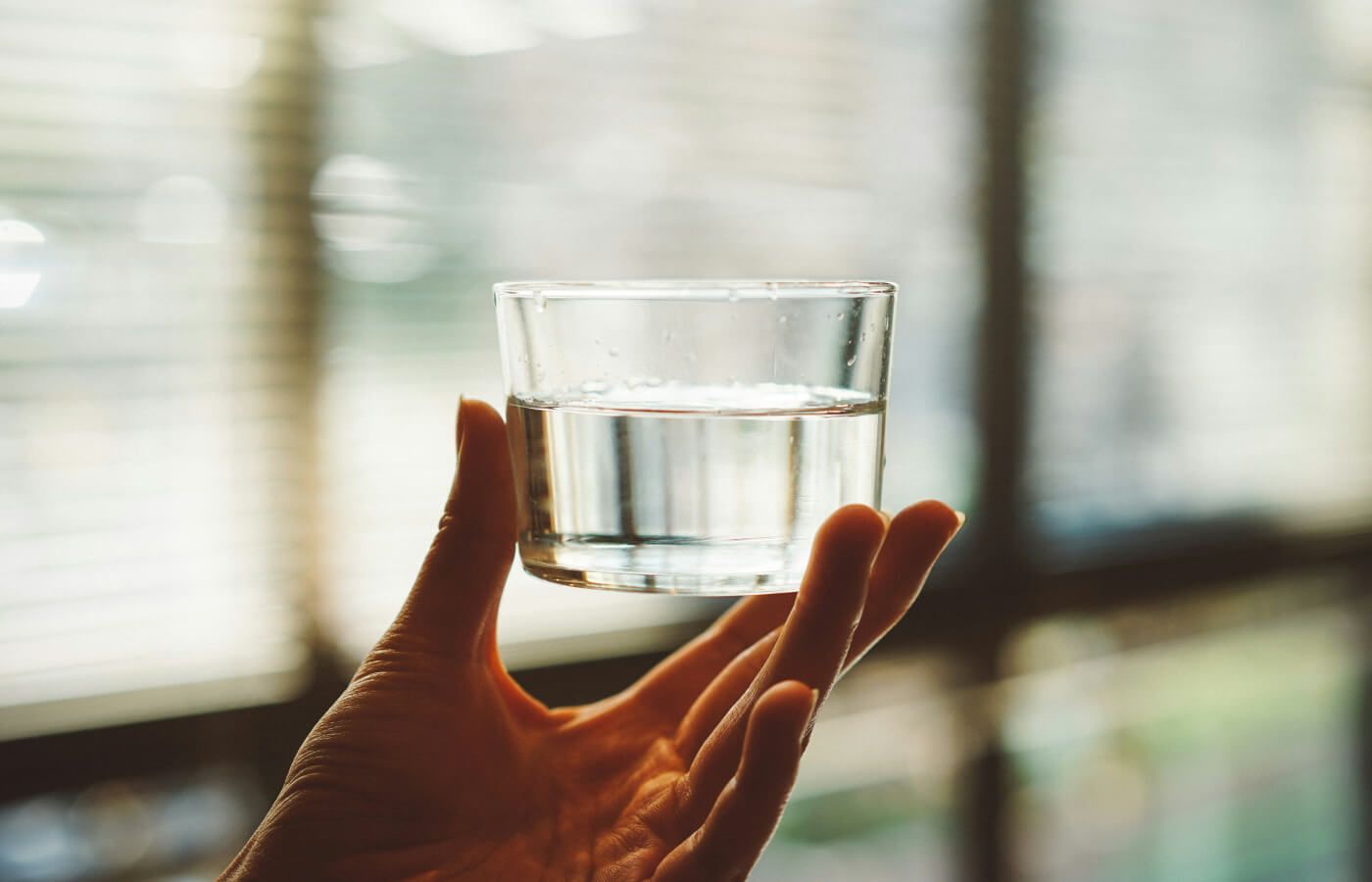
Drink a Glass of Water Before Meals
Drinking a glass of water 30 minutes before eating can make it easier to eat smaller portions by making you feel fuller and more satisfied with your meal.
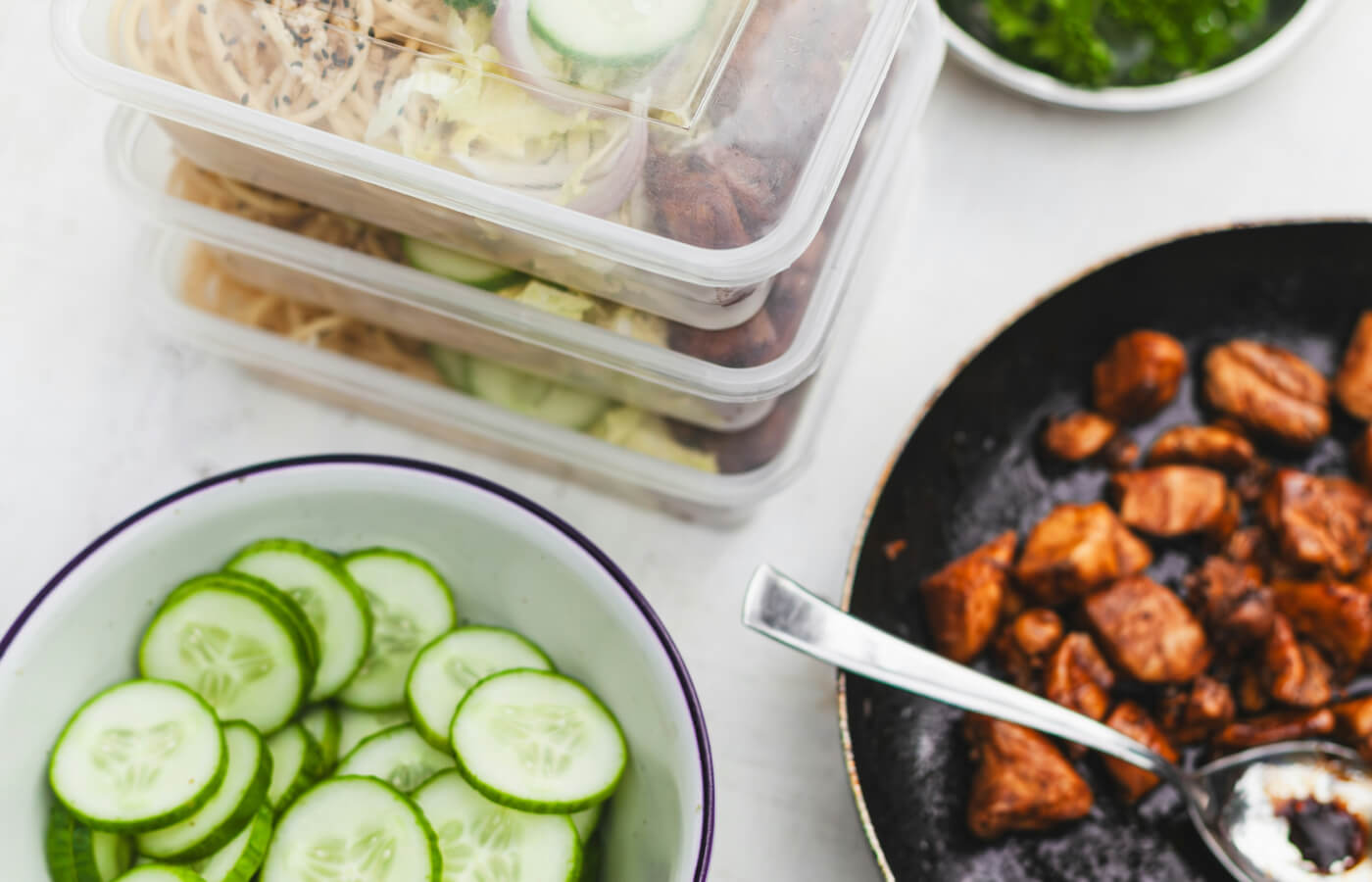
Prepare Meals (Before You Get Too Hungry)
Planning your meals in advance allows you to portion the proper amount of food long before hunger strikes and you’re eager to eat.
Slow Down
Eating more slowly gives your brain time to register fullness. Chew slowly and try putting your utensils down between bites to help you eat more mindfully. This will make your meals more enjoyable and help you recognize when you’ve become full.
Remember, small changes can lead to big results. Start today by adding these simple habits and tricks to your daily routine so you can see significant improvements in your weight loss journey and overall health.